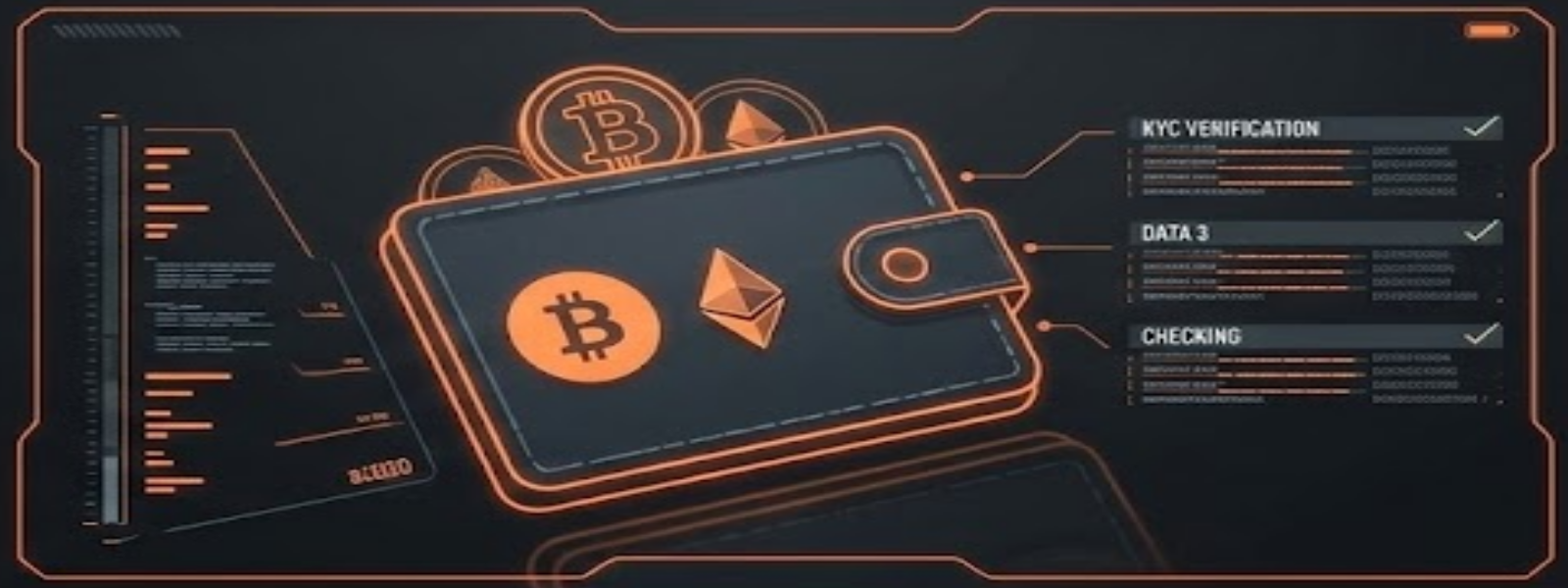
In 2026, the Canadian online casino market has substantially transformed, yet one myth remains surprisingly persistent: the belief that using Bitcoin or Ethereum renders a player completely “invisible” to regulators and operators. I often hear from players that crypto is their ticket to a world of complete freedom without oversight. However, as an analyst observing the industry from within, I must disappoint proponents of absolute anonymity. Blockchain analytics technology has reached such a level that tracking a transaction is now easier than a bank transfer, and Canadian agencies like FINTRAC are closely monitoring digital assets.
Over my years at canadacasinocentral.com, I have seen the landscape shift from a wild west to a complex, regulated structure. Today, we will dissect why your “anonymous” account may require a passport faster than you think, and why traditional methods, such as Interac casinos, sometimes offer more real confidentiality than the blockchain.
The Allure of “Anonymous” Gambling in Canada
Why are Canadian players so eager to move into cryptocurrencies? The answer lies in a combination of transaction speed and the desire to avoid the close scrutiny of banks. Traditional financial institutions in Canada often block transactions related to gambling, even if they are legal, creating inconveniences for users. Cryptocurrency is perceived as the perfect tool to bypass these restrictions, offering the illusion of complete obscurity.
Why “Loonies” Are Moving to the Blockchain
The primary reason for the migration of players to the crypto sector is friction with the traditional banking system. No one wants to see a line item in their bank statement that could affect future mortgage approval. Using CAD (our “Loonies”) through digital wallets seems like a solution. Furthermore, withdrawal speed in crypto casinos is often measured in minutes, while bank transfers can take 3 to 5 business days. However, this convenience comes at a hidden cost that many discover too late.
Anonymity vs. Pseudonymity: The Technical Reality
There exists a fundamental misunderstanding of how the blockchain works. Most people confuse the concepts of “anonymity” and “pseudonymity.” In 2026, this distinction has become critically important. The blockchain is, essentially, an open ledger. A record of every transaction ever made is stored forever and is accessible to anyone. This means your financial history in a crypto casino is far more transparent than you might assume, especially if you use popular coins like Bitcoin.
The Public Nature of the Ledger
When you make a deposit in Bitcoin, your name is not recorded on the blockchain—this is true. Instead, a wallet address, a long string of letters and numbers, is used. This is pseudonymity. However, once this address is linked to your identity (for example, through an exchange where you purchased the cryptocurrency after passing verification), the entire transaction history of that wallet becomes deanonymised. Any analyst can see where and how much you have sent.
How Blockchain Analytics Uncovers Players
Analytics tools used by regulators and large exchanges have become incredibly sophisticated. They use heuristic analysis to cluster addresses. If you sent funds from a regulated Canadian exchange (e.g., Bitbuy or Kraken) to a casino address, the link is established. The Canadian agency FINTRAC (Financial Transactions and Reports Analysis Centre of Canada) has clear directives regarding tracking virtual currency flows to prevent money laundering.
The KYC Trap: When “No-Verification” Casinos Demand a Passport
“No-KYC” marketing is one of the most common tricks in the offshore gambling industry. Many sites promise instant play without documents. And this is true—until you attempt to withdraw a substantial win. At that moment, hidden security mechanisms trigger, and the “anonymous” casino suddenly transforms into the most bureaucratic institution. This is not a coincidence but a systemic requirement of licensors.
Anti-Money Laundering (AML) and Global Pressure
Even offshore jurisdictions, such as Curaçao or Anjouan, are under strong international pressure. To retain their licences and the ability to process payments, operators are obliged to comply with AML (Anti-Money Laundering) procedures. This means they are legally required to know who is playing on their platform, especially when dealing with large sums. Complete anonymity today is a direct path to a licence loss for an operator.
Red Flags: Triggers for Mandatory Identity Checks
There are certain actions that will guaranteed trigger a request for documents, even in so-called crypto casinos. These include:
- A request to withdraw a large sum (typically equivalent to $2000 CAD and above).
- Changing your IP address during a session or using a VPN from a prohibited country.
- Suspicious betting patterns (e.g., hedging bets in roulette).
The Canadian Regulatory Divide: Ontario vs. the Rest of Canada
For the Canadian player, it is critically important to understand their geographical location, as the rules of the game differ radically depending on the province. Since the launch of the regulated iGaming Ontario market, Canada has effectively split into two zones: the strictly regulated Ontario market and the “grey” market of the rest of the country. This division directly influences the availability of crypto payments and the level of player protection.
iGaming Ontario and the Ban on Cryptocurrency
If you are in Ontario, legal options for playing with cryptocurrency are practically non-existent. The regulator iGaming Ontario (iGO) imposes strict requirements on operators, and cryptocurrencies are not yet on the list of approved methods due to AML complexities. Here, Interac remains king. This guarantees security but excludes the anonymity of the blockchain.
Offshore Options and Grey Market Risks
Players from other provinces, or those who choose offshore sites, have access to crypto casinos. This offers more freedom but removes protection. If an offshore casino refuses to pay out winnings, citing a breach of KYC terms, a Canadian player has almost no leverage. Local regulators will be unable to help recover funds sent to an anonymous wallet in the Caribbean.
Privacy Comparison: Crypto vs. Traditional Canadian Payments
To understand what better suits your goals, let’s compare popular methods. Players often discover that using wallets like iDebit and InstaDebit provides a sufficient level of privacy from their bank without the complexities of cryptocurrency exchange.
| Payment Method | Initial Privacy | Speed (Deposit/Payout) | KYC Requirement | Regulatory Protection |
|---|---|---|---|---|
| Bitcoin (BTC) | High (Pseudonymity) | 10-60 min / Instant | Often at withdrawal | Low / None |
| Interac | Medium (Visible to bank) | Instant / 1-24 hrs | Mandatory at registration | High (in Ontario) |
| iDebit | High (Intermediary) | Instant / 1-5 days | Standard | Medium |
| Paysafecard | Maximum (Cash) | Instant / Unavailable | No (up to limits) | Medium |
As seen in the table, while cryptocurrency offers initial stealth, Paysafecard can be a more anonymous option for small deposits, as it is purchased with cash. However, for serious play and payout guarantees, regulated methods often win in reliability.
Conclusion
The myth of the complete anonymity of crypto casinos in Canada collapses upon collision with the reality of regulation and technology in 2026. The blockchain remembers everything, and KYC requirements have become the standard even for offshore platforms. Using cryptocurrency is an excellent way to speed up transactions and separate gambling from everyday banking operations, but it is not an indulgence from identification. For maximum security, I always recommend considering licensed platforms, and if you choose crypto—be prepared to undergo verification upon first request. For beginners, I recommend reading our guide for newcomers to avoid common mistakes.
Frequently Asked Questions
On sites licensed by iGaming Ontario—no. Cryptocurrencies are not yet approved by the local regulator. You can play on offshore sites, but this comes with heightened risks and a lack of legal protection.
These are casinos that allow deposits and play without providing documents. However, most will require verification upon attempting to withdraw funds, especially large sums. The complete absence of KYC is often a sign of a fraudulent site.
Directly—no. The bank will only see a transfer to a crypto exchange. However, the exchange itself will have a record that the funds went to an address linked to gambling, which may be disclosed upon request from authorities.
Typically, lottery and gambling winnings are not taxed for amateurs. However, if your activity is considered professional trading or business, or if you hold crypto and its value has increased (capital gain), the situation may change. Read more in our section on gambling taxes.